Adornos navideños que pueden ser peligrosos para tus mascotas
DETROIT — Se podría decir que la temporada navideña 2025 ya está aquí. Desde mediados de noviembre, e incluso desde los primeros días del mes, muchas familias comienzan a transformar sus hogares con luces, árboles y adornos festivos. Sin embargo, algunos elementos decorativos pueden no ser muy seguros para las mascotas. (ENGLISH VERSION BELOW)
Ciertos adornos navideños pueden despertar la curiosidad de las mascotas, quienes no tardan en olfatear, tocar o incluso morder todo lo nuevo en el hogar. Aunque para nosotros son solo decoraciones, para ellos pueden convertirse en pequeñas fuentes de riesgo.
- Podría interesarte: Guía para viajar con tu mascota en la temporada navideña de forma segura
¿Qué adornos navideños pueden ser peligrosos para tus mascotas?
- Luces y cables eléctricos: Los perros y gatos suelen sentirse atraídos por todo lo nuevo, y los cables o luces colgantes pueden resultar irresistibles para morder o jugar con ellos. Esto puede causar electrocución o quemaduras, por lo que es recomendable mantenerlos fuera de su alcance o utilizar protectores especiales.
- Adornos frágiles: Las decoraciones de vidrio, cerámica o materiales quebradizos pueden romperse si las mascotas las golpean o tiran accidentalmente. Esto puede provocar cortes o lesiones graves. Una alternativa más segura son los adornos de plástico, goma o tela, que resisten mejor el contacto con animales curiosos.
- Decoraciones comestibles: Dulces, chocolates, nueces, frutas secas o incluso piñas pintadas pueden resultar tóxicos si son ingeridos por perros o gatos. Es fundamental colocarlos fuera de su alcance y educar a los niños para que no les den golosinas que no sean apropiadas para ellos.
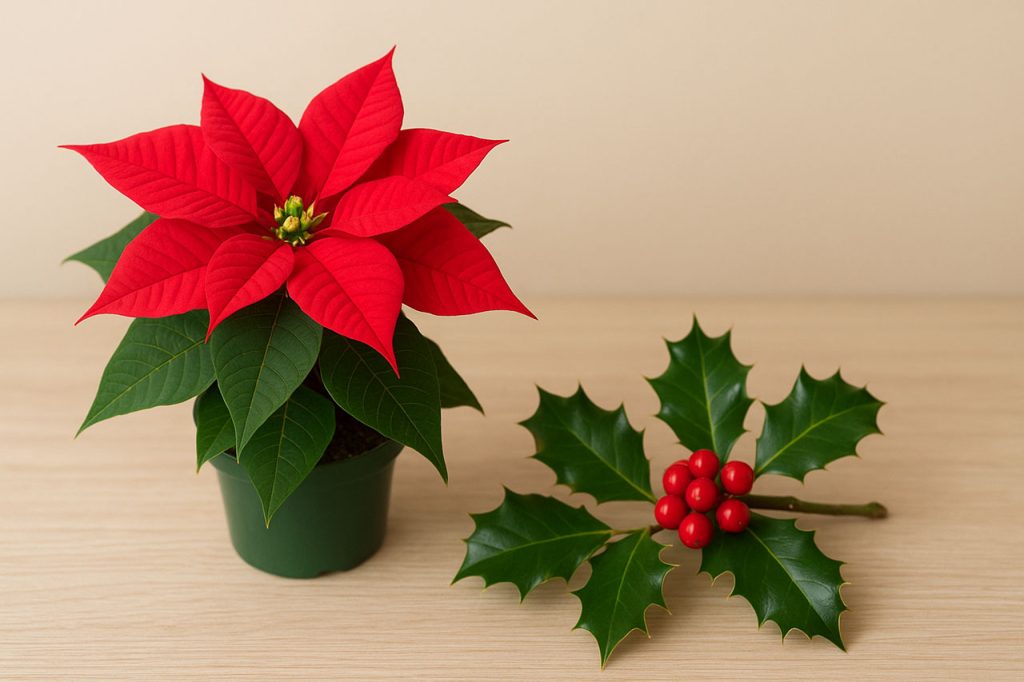
- Plantas navideñas: Plantas tradicionales como las nochebuenas, acebo o muérdago pueden ser tóxicas para perros y gatos si las ingieren. Es importante colocarlas en lugares altos o inaccesibles y asegurarse de que las mascotas no puedan mordisquear hojas o flores.
- Estrés por luces, sonidos y olores: La combinación de luces intermitentes, música festiva y olores fuertes puede generar ansiedad en algunos animales. Crear un espacio seguro y tranquilo donde puedan retirarse si se sienten incómodos ayuda a prevenir accidentes o comportamientos destructivos.
El hecho de que existan algunas decoraciones navideñas peligrosas para las mascotas no significa que sea necesario limitar su uso por completo. Con un poco de precaución, colocándolas fuera de su alcance y supervisando su comportamiento, es posible mantener la seguridad de perros y gatos y, al mismo tiempo, disfrutar de los adornos.
Christmas decorations that could be dangerous for your pets
The 2025 holiday season is officially underway. Since mid-November, and even during the first days of the month, many families begin transforming their homes with lights, trees, and festive decorations. However, some decorative items may not be very safe for pets.
Certain Christmas decorations can spark pets’ curiosity, and they quickly start sniffing, touching, or even chewing on anything new in the home. While these are just decorations to us, for them they can become small sources of risk.
- Lights and electrical cords: Dogs and cats are often attracted to anything new, and dangling cords or lights can be irresistible to chew on or play with. This can lead to electrocution or burns, so it’s recommended to keep them out of reach or use special cord protectors.
- Fragile ornaments: Decorations made of glass, ceramic, or other breakable materials can shatter if pets bump into or knock them over. This can cause cuts or serious injuries. A safer alternative is ornaments made of plastic, rubber, or fabric, which are more resistant to curious animals.
- Edible decorations: Candy, chocolate, nuts, dried fruit, or even painted pinecones can be toxic if ingested by dogs or cats. It’s essential to place them out of reach and teach children not to give pets treats that are unsafe for them.
- Holiday plants: Traditional plants such as poinsettias, holly, or mistletoe can be toxic to dogs and cats if eaten. It’s important to place them in high or inaccessible areas and ensure pets cannot nibble on the leaves or flowers.
- Stress from lights, sounds, and smells: The combination of flashing lights, festive music, and strong scents can cause anxiety in some animals. Creating a safe and quiet space where they can retreat if they feel uncomfortable helps prevent accidents or destructive behavior.
The fact that some Christmas decorations can be dangerous for pets doesn’t mean you need to avoid them entirely. With a little caution—keeping them out of reach and supervising your pets’ behavior—it’s possible to keep dogs and cats safe while still enjoying the decorations.