Consejos esenciales para comprar, conservar y congelar mariscos
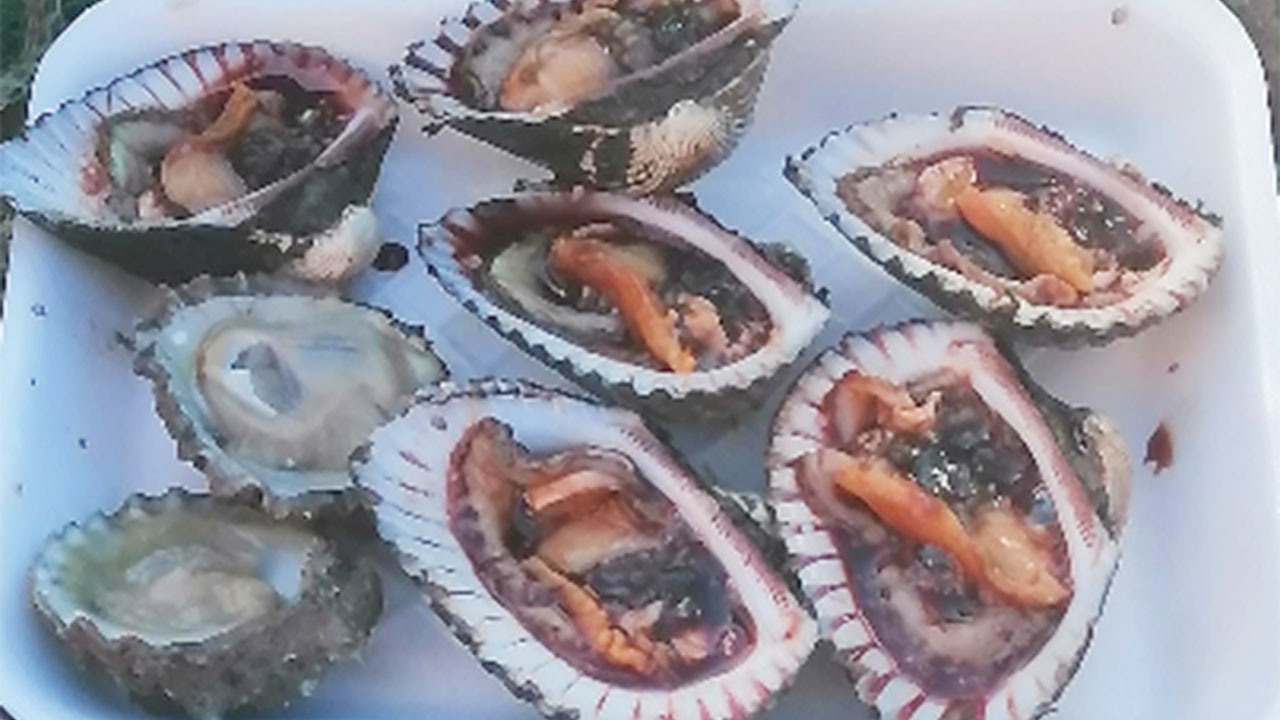
DETROIT — Los mariscos forman parte de muchas de las comidas más apreciadas por su sabor, textura y versatilidad en la cocina. Camarones, pescado, pulpo, almejas o mejillones pueden convertirse en platos deliciosos si se eligen y manejan correctamente desde el momento de la compra. (ENGLISH VERSION BELOW)
Sin embargo, al tratarse de alimentos delicados, requieren ciertos cuidados especiales para mantener su frescura y evitar problemas de salud, sobre todo en época de calor.
Conocer algunos consejos básicos puede hacer una gran diferencia al momento de comprar mariscos, almacenarlos en casa o congelarlos adecuadamente.
Una buena conservación ayuda a mantener el sabor, la calidad y la seguridad de estos productos, además de evitar desperdicios y ahorrar dinero.
Cómo elegir mariscos frescos
Uno de los puntos más importantes es aprender a identificar cuándo un marisco está realmente fresco. El olor suele ser la primera señal. Los mariscos frescos deben tener un aroma suave, parecido al mar o al agua salada, pero nunca un olor fuerte, agrio o desagradable.
En el caso del pescado entero, los ojos deben verse brillantes y ligeramente saltones, nunca hundidos ni opacos. La piel tiene que lucir húmeda y brillante, mientras que las escamas deben mantenerse bien adheridas. Las agallas, por su parte, deben tener un color rojizo o rosado intenso.
Los camarones frescos deben sentirse firmes al tacto y conservar un color uniforme. Si presentan manchas negras, textura babosa o un olor muy intenso, es mejor no comprarlos. Lo mismo ocurre con calamares y pulpos: la carne debe verse brillante y firme.
Cuando se trata de moluscos como almejas, mejillones u ostiones, las conchas deben permanecer cerradas o cerrarse al tocarlas. Si están abiertas y no reaccionan, probablemente ya no están en buen estado.
También es recomendable comprar mariscos en establecimientos limpios, donde los productos se mantengan bien refrigerados o sobre suficiente hielo. Un buen manejo en el negocio es tan importante como la frescura del producto.
Transporte y llegada a casa
Después de comprarlos, lo ideal es llevar los mariscos directamente a casa para evitar que permanezcan demasiado tiempo fuera de refrigeración. Si el trayecto es largo o hace mucho calor, una hielera portátil puede ayudar a conservar la temperatura adecuada.
Nunca conviene dejar mariscos dentro del automóvil mientras se realizan otras compras, especialmente en días calurosos. El calor acelera rápidamente el deterioro de estos alimentos.
Al llegar a casa, deben refrigerarse de inmediato si se van a consumir pronto, o congelarse si pasarán varios días antes de cocinarlos.
Cómo conservar mariscos en el refrigerador
Los mariscos frescos suelen durar poco tiempo en refrigeración, por lo que es importante organizarlos correctamente.
El pescado y los camarones pueden conservarse entre uno y dos días en la parte más fría del refrigerador. Para mantenerlos frescos, es recomendable colocarlos en un recipiente con hielo y cubrirlos ligeramente. El hielo debe cambiarse conforme se derrita.
Los moluscos vivos, como almejas o mejillones, necesitan respirar. Por eso no deben guardarse en bolsas completamente cerradas ni sumergidos en agua. Lo mejor es colocarlos en un recipiente cubierto con un paño limpio y húmedo.
Otro consejo importante es evitar que los mariscos crudos entren en contacto con otros alimentos. Guardarlos en recipientes cerrados ayuda a prevenir contaminación cruzada y evita que los olores se mezclen dentro del refrigerador.
Consejos para congelarlos correctamente
Congelar mariscos es una excelente forma de conservarlos por más tiempo sin perder demasiada calidad. Sin embargo, hacerlo correctamente marca la diferencia.
Antes de congelar pescado, conviene secarlo ligeramente con papel absorbente y envolverlo bien para evitar quemaduras por congelación. Las bolsas herméticas o recipientes especiales para congelador funcionan muy bien.
Los camarones pueden congelarse crudos o cocidos, pero siempre deben estar limpios. Separarlos en porciones facilita descongelar únicamente la cantidad necesaria.
Es recomendable etiquetar cada paquete con la fecha de congelación. Aunque pueden durar varios meses congelados, lo ideal es consumirlos lo antes posible para disfrutar mejor su sabor y textura.
Un error frecuente es volver a congelar mariscos que ya fueron descongelados. Esto puede afectar tanto la calidad como la seguridad del alimento.
Cómo descongelarlos de forma segura
La mejor manera de descongelar mariscos es pasarlos del congelador al refrigerador varias horas antes de cocinarlos. Este método permite que recuperen su textura poco a poco y reduce el riesgo de bacterias.
Si se necesita descongelarlos más rápido, también puede utilizarse agua fría. El producto debe colocarse dentro de una bolsa cerrada y sumergirse en agua limpia, cambiando el agua cada cierto tiempo.
No es recomendable dejarlos descongelando a temperatura ambiente, ya que el calor favorece el crecimiento de bacterias.
Un buen manejo hace la diferencia
Los mariscos pueden convertirse en una experiencia deliciosa cuando se compran y conservan adecuadamente. Elegir productos frescos, mantener la cadena de frío y almacenarlos correctamente ayuda a disfrutar comidas más seguras y de mejor sabor.
- Podría interesarte: Espagueti cremoso tropical con jamón y tocino: Receta fácil
Con pequeños cuidados en casa, es posible aprovechar al máximo la calidad de los mariscos y preparar recetas llenas de frescura y sabor para toda la familia.
Essential tips for buying, storing, and freezing seafood
Seafood is part of many of the most beloved dishes thanks to its flavor, texture, and versatility in cooking. Shrimp, fish, octopus, clams, and mussels can turn into delicious meals if they are properly selected and handled from the moment of purchase.
However, because they are delicate foods, they require special care to maintain freshness and prevent health issues, especially during hot weather.
Knowing a few basic tips can make a big difference when buying seafood, storing it at home, or freezing it properly.
Good preservation helps maintain flavor, quality, and safety, while also reducing waste and saving money.
How to choose fresh seafood
One of the most important steps is learning how to identify truly fresh seafood. Smell is often the first clue. Fresh seafood should have a mild scent, similar to the ocean or saltwater, but never a strong, sour, or unpleasant odor.
For whole fish, the eyes should be clear, bright, and slightly bulging, never sunken or cloudy. The skin should look moist and shiny, while the scales should remain firmly attached. The gills should have a deep reddish or pink color.
Fresh shrimp should feel firm to the touch and have a uniform color. If they show black spots, a slimy texture, or a strong odor, it is best not to buy them. The same applies to squid and octopus: the flesh should look firm and glossy.
When it comes to shellfish such as clams, mussels, or oysters, the shells should be closed or close when touched. If they remain open and do not respond, they are likely no longer safe to eat.
It is also recommended to buy seafood from clean establishments where products are properly refrigerated or kept on plenty of ice. Proper handling in the store is just as important as freshness itself.
Transport and bringing seafood home
After purchasing seafood, it is best to take it straight home to avoid leaving it unrefrigerated for too long. If the trip is long or the weather is hot, a portable cooler can help maintain the proper temperature.
Never leave seafood inside a car while running other errands, especially on hot days, as heat quickly speeds up spoilage.
Once at home, seafood should be refrigerated immediately if it will be consumed soon, or frozen if it will be stored for several days.
How to store seafood in the refrigerator
Fresh seafood has a short shelf life, so proper storage is essential.
Fish and shrimp can be kept for one to two days in the coldest part of the refrigerator. To keep them fresh, place them in a container over ice and cover lightly, replacing the ice as it melts.
Live shellfish such as clams or mussels need to breathe. They should not be stored in completely sealed bags or submerged in water. The best method is to place them in a container covered with a clean, damp cloth.
It is also important to prevent raw seafood from coming into contact with other foods. Storing it in sealed containers helps avoid cross-contamination and prevents odors from spreading in the refrigerator.
Tips for proper freezing
Freezing seafood is an excellent way to preserve it for longer without losing too much quality. However, doing it correctly makes a difference.
Before freezing fish, it is advisable to pat it dry with paper towels and wrap it tightly to prevent freezer burn. Airtight bags or freezer-safe containers work very well.
Shrimp can be frozen either raw or cooked, but they should always be cleaned first. Separating them into portions makes it easier to thaw only what is needed.
It is recommended to label each package with the freezing date. Although seafood can last several months in the freezer, it is best to consume it as soon as possible to enjoy optimal flavor and texture.
A common mistake is refreezing seafood that has already been thawed. This can affect both quality and food safety.
How to thaw seafood safely
The best way to thaw seafood is to move it from the freezer to the refrigerator several hours before cooking. This allows it to gradually regain its texture and reduces the risk of bacterial growth.
If it needs to be thawed more quickly, cold water can also be used. The seafood should be placed in a sealed bag and submerged in clean water, changing the water periodically.
It is not recommended to thaw seafood at room temperature, as heat encourages bacterial growth.
Good handling makes the difference
Seafood can become a delicious experience when properly purchased and stored. Choosing fresh products, maintaining the cold chain, and storing them correctly helps ensure safer and better-tasting meals.
With small precautions at home, it is possible to make the most of seafood quality and prepare fresh, flavorful dishes for the whole family.